
From Leadership to Community Movement Values

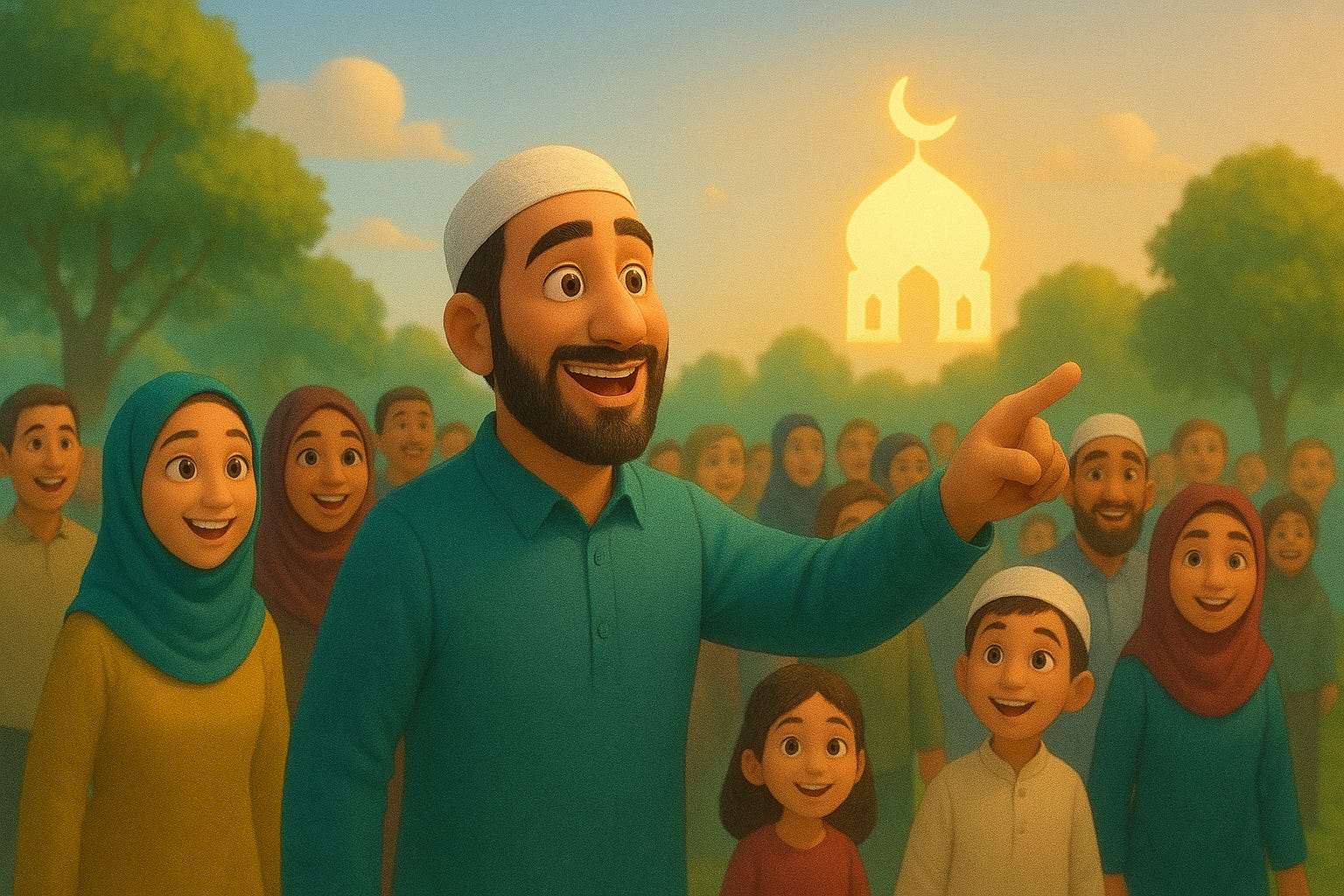
A meaningful community begins with purpose-driven individuals and value-based leadership. It’s not just about gathering people, but aligning them with shared values and a clear direction. When done right, leadership evolves into culture, and community becomes movement.
It Starts with Personal and Team Values
Before a community can grow, individuals must build strong personal values. These values shape their thinking, actions, and purpose. A person with clear values becomes an agent of change. This is someone who no longer follows trends, but sets direction. This agent will naturally seek communities that align with their mission and identity.
When like-minded individuals unite, their personal values form a collective team value. This becomes the foundation for high performance and resilience. In companies like Apple, strong individual values lead to competitive team values, which translate into world-class products. The same is true for impactful communities.
Values grow from thoughts to actions and eventually form identity. That identity shapes how teams behave, how decisions are made, and how purpose is pursued.
Leadership, Structure, and the Role of a Guide
Communities require leadership. Not just a manager, but a guide. A leader gives vision, clarity, and direction. However, long-term growth needs more than charisma, it needs structure. A good community creates roles and divisions that allow people to contribute based on their strengths and passions.
Too often, Muslim communities rely on a single figure. As a result, the community gets stuck in a cycle of dependence. What’s needed is distributed leadership: members empowered to lead in their own capacity, with clear space for contribution and actualization.
Each division must be designed to match member’s interests and talents, encouraging ownership and initiative. Then, divisions collaborate under a shared vision. This creates innovation, ownership, and real movement. As the system strengthens, collaboration can expand across regions, even nations.
Collaboration should never be random. When a community carries strong internal values, it doesn’t need external validation. Partnerships must serve the same mission, not just short-term gain.
Community Becomes Culture, Culture Becomes Movement
When a community is driven by values, it naturally grows into a movement, one that not only transforms individuals but shapes society. The journey looks like this:
Trigger → Interest → Filtering → Actualisation → Change
To ensure focus, filtering can follow the principles of Maqasid al-Shariah:
Hifz al-Din (faith), Hifz al-Nafs (life), Hifz al-‘Aql (intellect), Hifz al-Nasl (lineage), Hifz al-Mal (wealth), and Hifz al-Biah (environment).
Once the internal structure is strong, community movement values begin to affect the environment around them. They produce local impact through education, initiatives, service, and innovation. Over time, this local impact scales to global influence.
This is how movements like Muhammadiyah have lasted over a century, and how companies like Walt Disney continue to shape culture. They’re not just groups, they’re ecosystems built on values that have become part of people’s way of life.
Change doesn’t start with platforms or noise. It starts with people. When those people are grounded in values, led with clarity, and organized with purpose, a community transforms into a movement and then becomes culture.
Why Leadership Matters
From an Islamic perspective, leadership is a divine trust, or amanah, not a title to be claimed lightly. The Qur’an in Surah Al-Ahzab (33:72) describes how this responsibility was too heavy even for the heavens and earth, yet it was accepted by humanity. In Islam, a leader must be honest, just, and accountable to Allah, driven not by personal gain but by a higher purpose to uphold Tauhid, establish justice, safeguard the Maqasid al-Shariah, and guide people toward what is right. Islamic leadership has historically taken various forms such as the Khalifah, Imam or Amir, and Uli al-Amri, all united by the duty to lead with integrity.
From a civilizational perspective, leadership is what determines the rise and fall of societies. Leaders shape historical direction and turn decisions into long-term structures. While soft power can inspire, it requires the backing of strong institutions, strategic thinking, and firm leadership to create enduring impact. Civilizations with weak leadership eventually lose coherence, while those with strong, value-based leadership build legacies.
From a social perspective, leadership doesn’t need to begin with the majority. According to Dr. Tareq Suwaidan’s critical nucleus theory, change starts with a small, disciplined group whose consistency can influence many. This is affirmed by research from Erica Chenoweth showing that as little as 3.5% of a population, when actively involved, can spark unstoppable movements. Within the global Muslim context, even a disciplined 2% of muslim population can initiate mass mobilization, creating a ripple effect that transforms the entire Ummah.
From a personal perspective, no one can lead others without first leading themselves. True leadership requires inner discipline, clarity, resilience, and the ability to navigate uncertainty. It is built on habits of responsibility, thoughtful decision-making, and emotional strength. Self-leadership forms the moral core that allows public leadership to be trusted and respected.
In the case of Baitul Maqdis, leadership becomes a mirror for the Ummah. When the Muslim world is led with justice and clarity, Baitul Maqdis is protected and honored. When leadership fractures, its sanctity becomes vulnerable. The liberation and preservation of this sacred site cannot rely on emotion or sympathy alone. It demands trained, consistent leaders who carry the mission with long-term vision. This leadership must embody direction rooted in Tauhid, strategic alignment across institutions and countries, and commitment that lasts beyond generations. Even the shift of the Qiblah from Baitul Maqdis to the Ka’bah served as a divine reminder that victory begins with leadership readiness. Reclaiming what is sacred begins not with power, but with the rise of leaders who know where they are going and why.
This article was inspired by the concepts and insights shared during the Ummah International Webinar by Giajosie, a member of Ummah International. He is an expert in community, leadership, and marketing technology. Generative AI was used to assist with elaboration, refinement, and image.