
One Ummah, One Market
The Case for Free Movement Across the Muslim World

There’s a quiet revolution waiting to happen.
It doesn’t require weapons. It doesn’t demand wars.
Just will. Wisdom. And a shared dream.
Imagine this:
A world where a tech founder in Cairo can seamlessly raise capital from Jakarta.
Where halal-certified goods flow from Lagos to Lahore without friction.
Where a designer from Istanbul takes a job in Kuala Lumpur without visa walls or bureaucratic burdens.
That’s not utopia. That’s integration.
And it’s long overdue.
The Muslim World: Fragmented but Full of Potential
Today, the 57 member states of the Organization of Islamic Cooperation (OIC) represent nearly 2 billion people — a quarter of the global population. We are rich in natural resources, cultural capital, spiritual heritage, and economic talent.
But we are not connected.
Unlike the European Union, which allows free movement of people, goods, and capital across 27 nations, the Muslim world is still divided by red tape, political mistrust, and underdeveloped infrastructure. A Muslim entrepreneur in Morocco often finds it easier to trade with France than with Algeria next door. A skilled professional in Pakistan faces more restrictions working in the Gulf than someone from Canada.
The irony is heartbreaking.
We speak of Ummah — but our systems still operate as strangers.
Why Integration Matters: One Ummah, One Market
Here’s the idea:
Let’s work toward a unified Muslim economic bloc — not in slogans, but in structure. One that ensures free movement of people, products, and capital among OIC member states.
Not all at once. Not overnight. But piece by piece — trade corridors, mutual recognition of visas and licenses, standardized halal certifications, interoperable payment systems, and capital market alignment.
The outcome?
A single market of nearly 2 billion consumers — a population larger than China, more diverse than the EU, and more values-aligned than any other bloc.
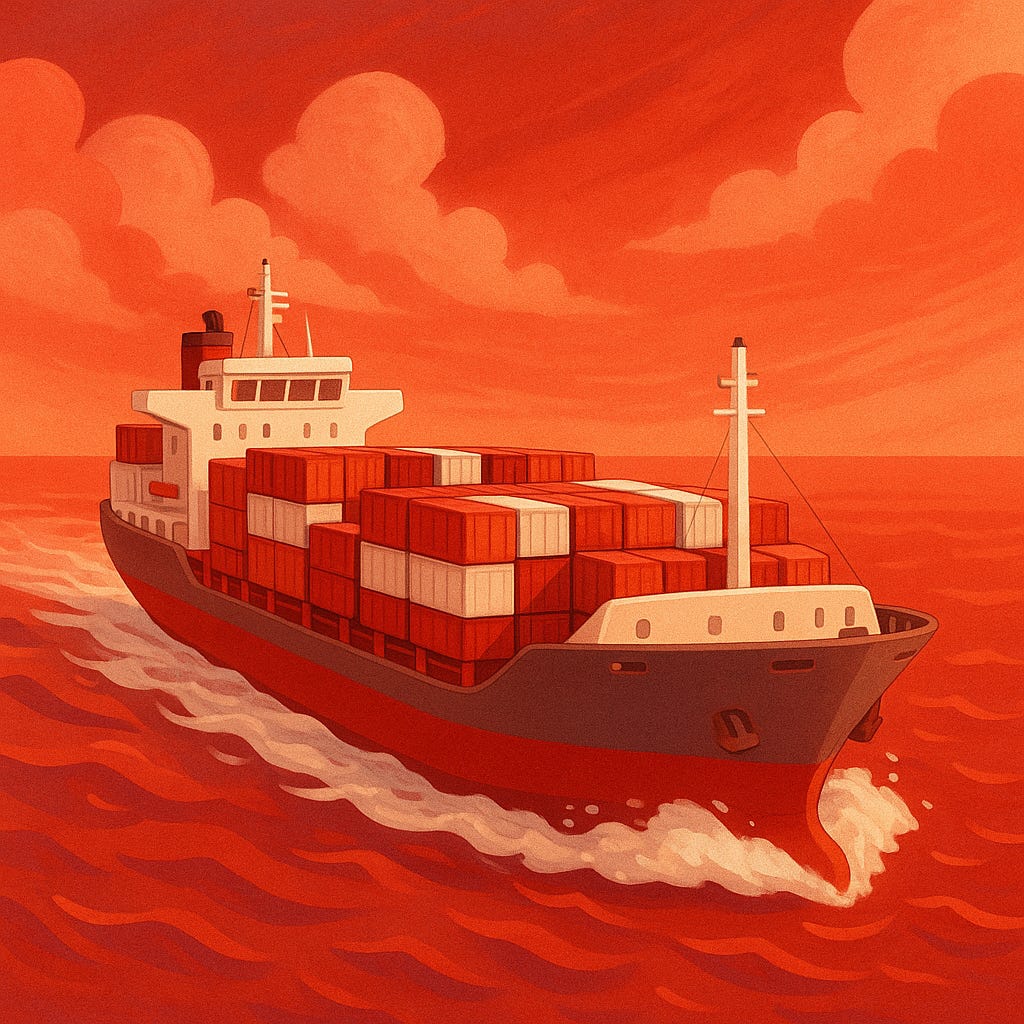
New trade routes and logistics networks, prioritizing intra-OIC commerce over dependency on Western or Eastern powers.
Faster access to growth for Muslim startups, who today struggle to scale across borders that should be open to them.
Stronger human capital mobility, enabling Muslim engineers, doctors, educators, and artists to move where they are most needed — and most appreciated.
This is not just good economics. It’s strategic destiny.
The Challenges Are Real — But So Is the Opportunity
We don’t pretend integration is easy.
There are real barriers:
Deep political divisions between some OIC countries
National protectionist policies rooted in fear or historical wounds
Lack of physical infrastructure — roads, ports, digital pipelines
Regulatory incompatibilities across banking, taxation, labor laws
But no great movement begins without friction.
Remember, even the European Union was born from the ashes of two world wars. What they had was not ease, but vision. The willingness to build something larger than their past.
Do we, the Muslim Ummah, not owe it to ourselves — and our children — to at least try?
A New Role for Entrepreneurs and Professionals
This is where you come in. Not just as readers. But as actors.
You are the architects, analysts, fund managers, coders, consultants, and creators. You know the gaps — and how to fix them.
UMMAH calls on its members to do three things:
Research
Explore how economic integration has worked elsewhere. Identify best practices that could apply within the OIC context.Create Prototypes
Build startups and systems that make cross-border Muslim commerce easier — whether it’s through fintech, logistics, hiring platforms, or shared halal trust layers.Advocate
Use your networks, your professional platforms, and your influence to propose real steps to local policymakers. Suggest bilateral agreements. Push for visa-free zones. Encourage your country’s leaders to think Ummah-first.
Because policy will not move until people push it.
The Time Is Now
We live in an age of realignment. The Western-led order is shifting. The East is rising. Regional blocs are asserting themselves.
But where is the Ummah?
Still powerful — but still uncoordinated.
Still wealthy — but still inefficient.
Still vast — but still inward.
We don’t have to stay this way.
The idea of free movement across the Muslim world is not just a policy suggestion. It is a civilizational imperative. A return to a time when Muslim caravans crossed continents, when ideas and goods flowed freely from Andalusia to Aceh.
And if enough of us speak up, build boldly, and collaborate deeply —
We may just see it in our lifetimes.
Let us not be the generation that inherited the Ummah — but failed to connect it.
Let us be the one that unified, and laid the foundations of a just, peaceful, and prosperous world.
This article was written based on original concepts and structure by the author. Generative AI was used to assist with elaboration, refinement, and image.